
Across the U.S., the legal industry has been re-shaping itself through mergers, acquisitions, and expansions at an aggressive rate. The activity is driven by clients who are growing faster, operating in multiple markets, and expecting their outside counsel to keep pace.
According to law firm consultant Fairfax Associates, there were 59 completed law firm mergers in 2025, representing an 18 percent year-over-year increase from 2024. Its merger research team tracked 31 completed mergers in the first quarter of 2026 alone.
Fairfax reports that this push for mergers is fueled by clients concentrating their spending on larger firms with broader capabilities, as well as the demand for firms to increase practice depth and efficient resources, including investments in talent and AI. Firms nationally are feeling pressure to merge in order to remain competitive and stay relevant.
Many of these trends are playing out at Cincinnati region law firms. Graydon Head & Ritchey kicked off the recent round of mergers in 2023, combining with Columbus-based Bricker & Eckler. Frost Brown Todd followed in 2025 by announcing a merger with New Jersey-based Gibbons to form FBT Gibbons.
Hundreds of attorneys have been added collectively in recent years at area practices, though the moves look different from firm to firm. Some choose mergers, some are organically hiring, and others are entering new markets from New York City to Tampa, Florida. The moves reflect a shared recognition that the firms best positioned to serve Cincinnati’s busi-ness community are the ones that can follow clients wherever they go.
None of the expanding firms describe growth as an end in itself. When leaders are asked why they merged or acquired, the answer almost always loops back to where clients are moving, what clients are asking for, and what clients used to request and now simply expect.
Cincinnati is home to a cluster of law firms that have grown significantly in scale while putting company culture and client service are at the center of growth decisions. Here is how three of them are growing their footprints in the region and beyond.
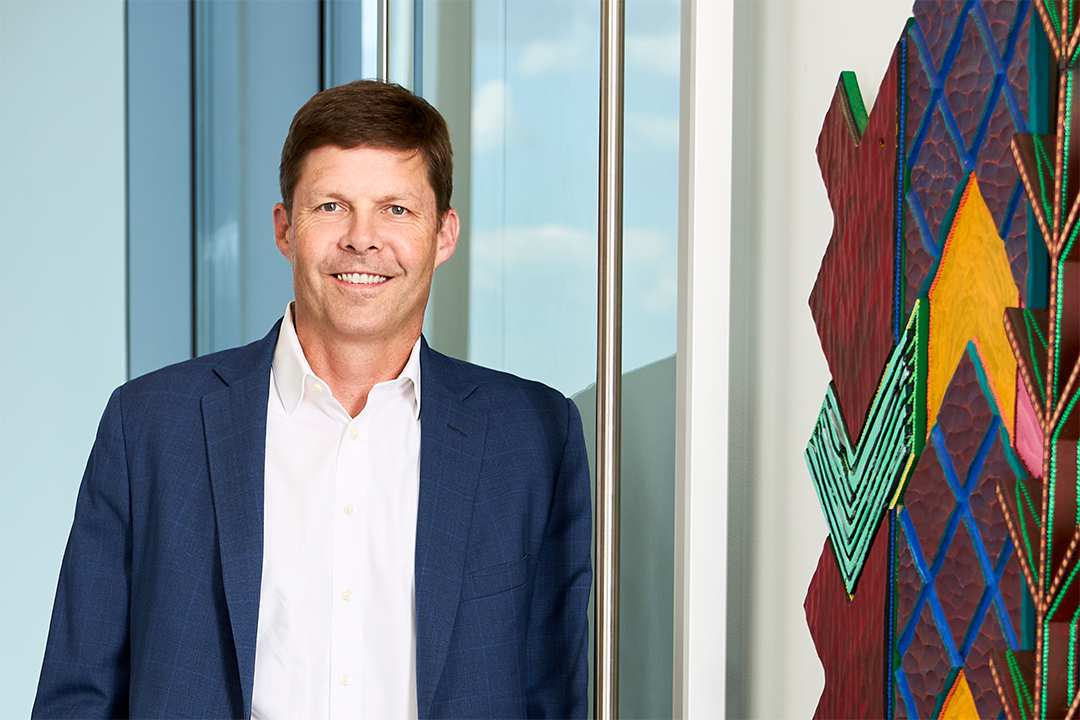
(Pictured at top: James Zimmerman, Taft Law’s Partner-in-Charge in Cincinnati. Photograph by Andrew Doench)
As the region’s largest law firm, Dinsmore is focused on the idea that size doesn’t mean much unless you can show up where your client needs you. The firm’s merger with Tampa-based Shankman Leone in early 2025 was a move to expand its Florida presence and establish what Managing Partner Joshua Lorentz describes as the only Cincinnati-based law firm with a true coast-to-coast footprint. The firm also made new partner appointments and hired the former chief legal officer of Fifth Third Bank, a move that deep-ens its leadership bench at the same moment it’s widening its reach.
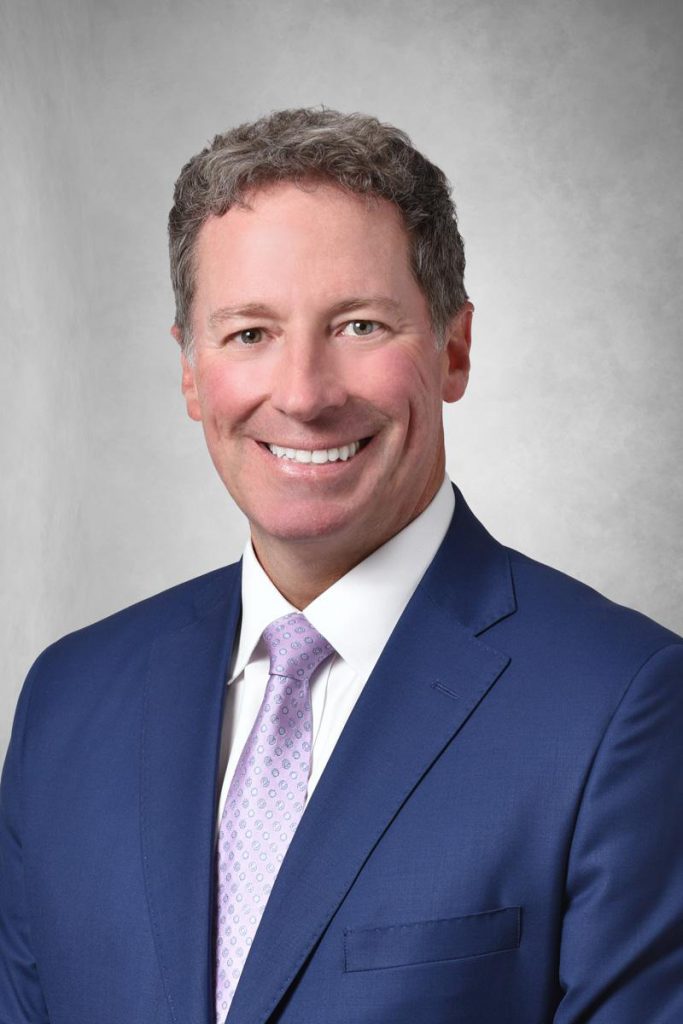
Lorentz says the Florida decision wasn’t random but a logical next step after watching where clients are going. He says Florida has attractive metro markets where businesses are relocating and where individuals are putting down roots, drawn by the state’s pro-business economy. “If you’ve got an opportunity to follow those clients and be there as they need it, we can also be part of an economy that’s growing itself,” he says. “It just makes a lot of sense to be in that region.”
The merger with Shankman Leone fit that thinking, as did the earlier merger with Orlando-based Mateer and Harbert—both followed the same logic of finding a firm that’s served its community well. Lorentz says Dinsmore’s approach to clients and culture is critical, and with similar cultures the combined teams can accomplish more.
The Florida mergers opened doors to new areas and strengthened existing ones. Dinsmore was already strong in healthcare and real estate, central industries in Florida’s economy, and the mergers deepened its bench. Shankman Leone also brought expertise in franchising, a significant industry in Florida in which Dinsmore had limited prior experience.
Lorentz describes the firm’s expansion philosophy as a combination of getting deeper in areas where they’re already strong and adding capabilities they didn’t previously have. The Florida mergers did both. “We always try to get deeper of what we’re already good at,” he says, “and try to expand into new areas that maybe we don’t have a lot of expertise in.”
In addition to Florida, the firm made its Texas debut in early 2024 with a Houston office marking entry into one of the largest U.S. cities that’s a hub for major industries like oil and gas, technology, and healthcare.
For a Cincinnati-area business that already has a relationship with Dinsmore, Lorentz says the firm’s national footprint is an advantage. “We’re Cincinnati-based but we’re operating outside of Cincinnati,” he says. “We’re a law firm that has your back all over the country, not only geographically but in all practice areas.”
It’s a claim multiple law firms could make, but Lorentz says Dins-more is not just a national firm with a Cincinnati office—it’s a Cincinnati-managed Cincinnati firm that happens to operate coast to coast. That point of view makes a difference when firm leaders are planning for growth. Lorentz is straightforward about what Dinsmore is looking for in a merger. “Are you talented and likable? Do you fit culturally?” he says. “At least 50 percent is whether you believe there’s a cultural fit.”
He describes the firm’s company culture as focused on conservative budgeting, investing in what matters for the long term, and a positive Midwestern approach to how you treat clients and communities. Firms that share those values are the cultural alignment Lorentz looks for and has shaped both of the Florida mergers.
Talent growth has followed company growth. This year, the firm wel-comed back Susan Zaunbrecher, who served as chief legal officer at Fifth Third Bank, as director of special projects and strategic initiatives; she had previously worked at Dinsmore for 28 years. Lorentz was also reelected managing partner.
Company growth has also happened at the brand level. Dinsmore unveiled a new logo and redesigned website earlier this year, its first significant rebrand in several years. The logo update was built around three “Dinsmore diamonds,” each representing what the firm stands for—sophistication, regality, and the strength of partnerships—and defining its next chapter.
Taft has enjoyed a busy year, with three mergers in a short amount of time: Sherman and Howard, the oldest firm in Denver; Mrachek in Florida; and Morris, Manning and Martin in Atlanta. The firms added attorneys to Cincinnati’s second largest law practice and gave Taft Law a presence in markets it had long been serving from a distance.
The firm also opened an office in New York. The Manhattan office was done through deliberate hiring instead of a merger, though the strategy is the same that’s guided the firm’s growth over the last several years, says James Zimmerman, partner-in-charge of Taft’s Cincinnati office. “Our business is so specialized now,” he says. “In order to really provide top-level services to the kind of clients we want to serve and to be able to attract and retain top talent, we need to have a size and a scale that allows us to have really deep expertise in a lot of different areas.”
Zimmerman says that the three recent mergers came about in different ways, but still under that same vision to grow in size and expertise in order to attract top talent and clients they want to serve. Denver, Atlanta, and Florida were strategically chosen markets that had been on Taft’s radar and, in many cases, Taft was already working with before merger conversations ever started.
Sherman and Howard brings a deep public finance practice and a presence throughout the Mountain West. Morris, Manning and Martin is a well-regarded Atlanta firm with a strong office in Washington, D.C., adding trade regulation expertise that’s become newly relevant in the current tariff environment. Mrachek is a litigation firm that provides Taft access to attorneys already familiar with Florida courts and judges. “We’ve done a lot of business in Florida for many years,” says Zimmerman. “As is the case with many Midwestern law firms, we’ve got a number of clients who are retiring down there, and we felt it was important to have a presence in Florida.”
The approach to each merger followed the same framework, even if the opportunities came about differently. Zimmerman says the firm never sets hard targets—like a goal to be in Denver by a certain date—because that’s a good way to end up in the wrong deal.
When deciding on a merger, emphasis is placed on culture fits, and that part of the due diligence process takes the longest. Taft will consider a potential partner firm’s leadership alignment, how attorneys treat staff and clients, and whether the firm is built around teamwork or individual performance. “The financial terms are obviously important,” says Zimmer-man, “but the more important part, and the harder part, is the culture. And with all three recent mergers, it was clear that there was a great fit there and that they care about the same things we care about.”
Opening the New York office was a different approach from how Taft entered the other markets. Taft already had 80 attorneys licensed to practice in New York before the office opened. “It was a little more of an evolution than a revolution,” says Zimmerman. The office formalized a presence that was already there and positioned the firm to compete for the middle market and upper middle market companies with sophisticated needs.
For Cincinnati businesses that already have a Taft relationship, Zimmerman says the day-to-day service doesn’t change, but if they have a situation in one of the new markets, the firm is there now. “If you have sophisticated needs, we’re a firm that’s deeply embedded in the community,” he says. “We’ve also got the ability to go get the expert wherever that person might be in the country to get your issue addressed.”
Bricker Graydon completed its merger with Wyatt, Tarrant, and Combs, Kentucky’s oldest law firm, in order to add cities, attorneys, and capabilities to its existing offerings. But Cincinnati/ NKY Market Leader and Partner Kent Wellington says the merger was less about expansion and more about deepening the talent bench. “It was not just growth for growth’s sake,” he says. “The combination was much more about fit rather than size.”
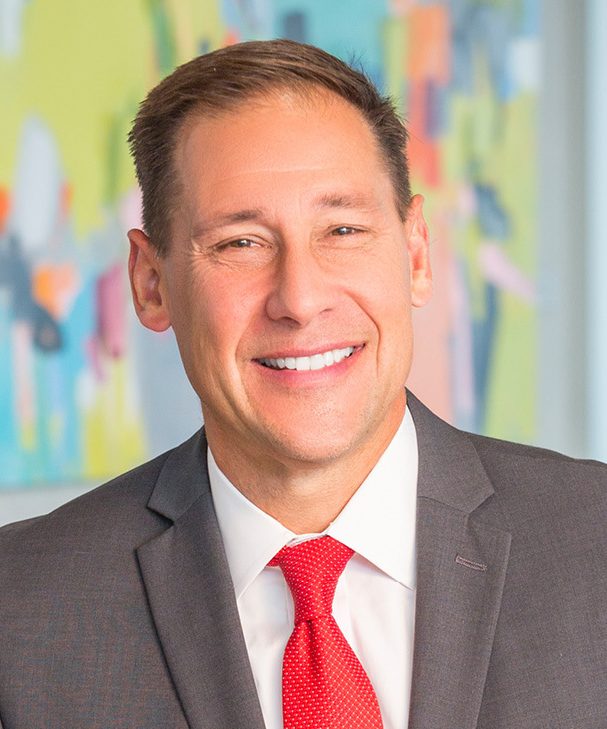
The merger resulting in the new firm, now known as Bricker Graydon Wyatt, having roots in major cities like Cincinnati, Columbus, Cleve-land, Louisville, Lexington, Memphis, and Nashville. Wellington says the move didn’t just add office space, but was focused on adding attorneys who have spent careers embedded in the communities.
Cincinnati-based Graydon Head & Ritchey’s merger with Columbus-based Bricker & Eckler added public-sector expertise to the local firm through Bricker’s work with nonprofit organizations, governmental agencies, healthcare entities, school districts, and municipalities. The Wyatt, Tarrant, and Combs merger deepens the bench further by adding strength in healthcare, education, and corporate work. Wyatt’s status as the oldest law firm in Kentucky is a significant credential that signals the kind of long-standing community trust Wellington was looking to align with.
“We have those deep roots that go back generations in the community,” he says. “These aren’t some Johnny-come-latelys to a new city. These are places where we have lived and our parents have lived and our grandparents have lived and are home to the institutions our families were part of. From churches to sports teams to businesses to the arts, we know the people.”
“Deeper bench, broader reach, same commitment to high-quality relationship-driven service,” he says.
That’s their story, and Wellington says the firm applies it consistently. The mergers didn’t create a new kind of firm, he says, but created a bigger one that can now staff a team across multiple offices, share capacity between markets, and bring specialized expertise to clients who previously might have needed to look elsewhere. What made the second merger possible, says Wellington, was the success of the first. “Part of the reason we were able to do this second merger as quickly as we did was almost psychological,” he says.
The Bricker & Eckler merger went better than expected, not because of careful planning alone but because of cultural alignment. “We’re real disciplined about culture,” says Wellington. “We were confident about the first merger, but I think it exceeded all of our expectations, and a lot of that had to do with culture. There was a lot of humility, a lot of objectivity, giving others the benefit of the doubt, searching for those ways to serve clients differently and then picking the one that serves the clients the best regardless of whether it comes from Columbus, Cleveland, Cincinnati, Louisville, Lexington, or another city.”
Wyatt attorneys fit that same profile, he says: good people, active in their communities, with families and community ties that mirrored what Bricker Graydon valued. “I have thoroughly enjoyed meeting some wonderful people, lawyers and non-lawyers alike, who were part of these merged entities,” says Wellington. “It makes these business deals a lot easier when you like these people and they share common values.”
Existing healthcare and education clients benefit with a significant add to the depth Bricker Graydon already had, and corporate clients gain access to attorneys who can handle sophisticated work across state lines. For clients with legal matters in Kentucky and Tennessee, the firm now has staff who know those communities and have relationships that matter.
“Deeper bench, broader reach” is the throughline, and Wellington underscores that the firm’s reach doesn’t stop at its legal work. The practice has hosted a monthly community forum called the Bridge Series where community leaders, nonprofits, and others come together to share stories and solutions that impact local communities. It’s also been involved in helping keep the ATP tennis tournament in Cincinnati and keep the MLS Crew franchise in Columbus and is currently engaged in questions around the future of where the Cleveland Browns will play home games.
Wellington says community impact is a core value that all firms shared before they merged. “We’re not just impacting the clients,” he says. “Community impact matters. We’re trying to make the cities we’re part of better places to live.”