
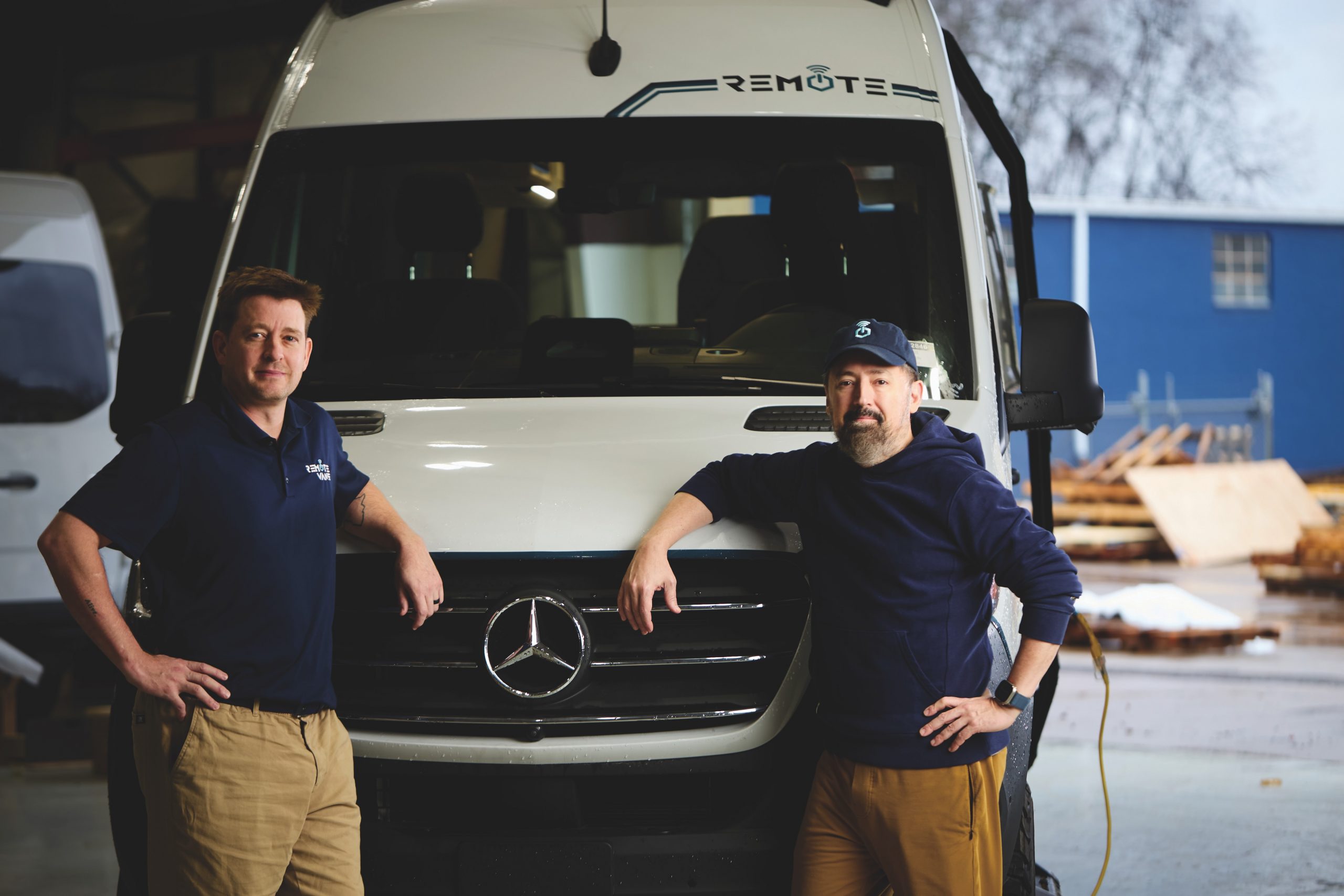
The pandemic was trying for everyone. For someone with a penchant for adventure travel, it was downright confining. After a few months of lockdown, Tony Alexander (above right) was ready to bust out. The businesses he started, including an online travel registry, were taking a hit.
On a whim, he bought a commercial van, outfitted it with creature comforts as well as the tech hardware to enable him to work remotely, and prepared to hit the road. He shared his idea with Daryn Hillhouse (above left), a South African who had served in the British Army, started an adventure travel company, and also found himself cooped up in Cincinnati in 2020. Their entrepreneurial instincts kicked in.
“We were both kind of looking for something to do,” says Alexander. “So we decided to figure out how to build out these vans, and maybe it would become something.”
Alexander had access to the old Moerlein brewery in Over-the-Rhine, where he assembled a team and began re-engineering Mercedes Sprinter vans with beds, kitchens, showers, energy storage, and power capacity, building them on a custom basis for people eager to experience the van life. As the concept found success, Alexander and Hillhouse saw opportunity. Was this going to be a build-one-at-a-time custom order plan, or could they ramp up production, build on spec, and sell the vans around the country?
They decided on the latter plan, but that would take capital. “In order to get the company where we wanted to go, we had to scale much larger,” says Alexander. The company spends millions on chassis, seats, power systems, lights, water pumps, cabinets, and all the accoutrements that create a home on the road, but traditional banks balked at extending that kind of credit to such a young company.
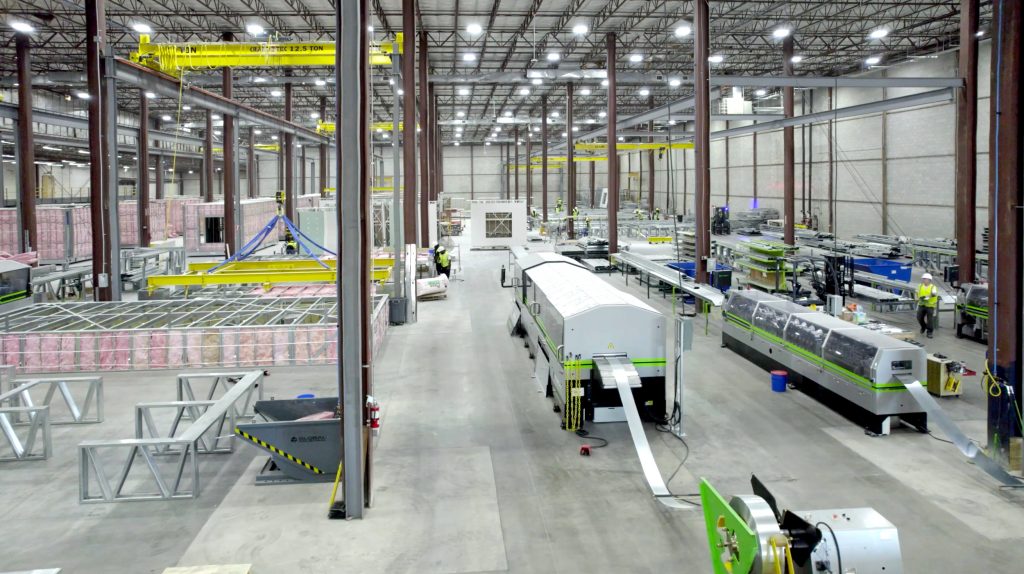
They would need an alternate source of financing. Enter the O.H.I.O. Fund, which led a round of financing that enabled the company, now called Remote Vans, to acquire an industrial space in St. Bernard, invest in equipment and components, and essentially create an assembly line to build a lineup of adventure vans. “We’re basically a car company now,” Alexander says, describing four models that range in price from $174,900 to $247,900.
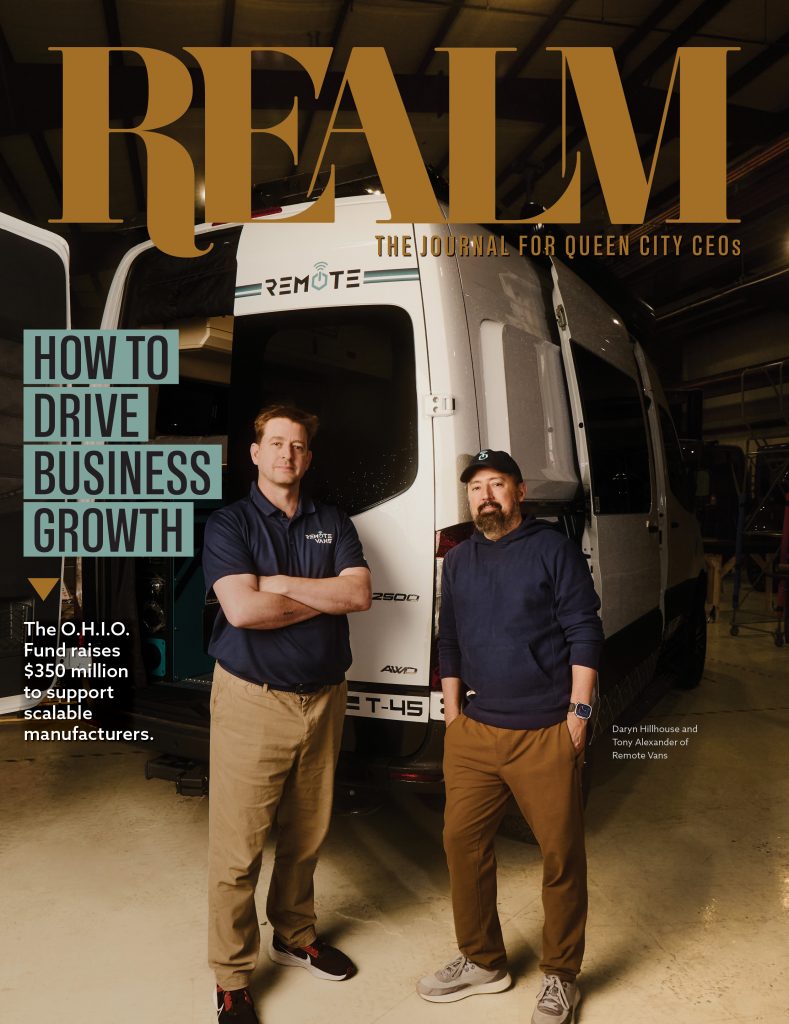
Remote Vans are now sold in 16 states through eight different recreational vehicle dealers. As a startup, it got off the ground with funding raised through family and friends, but to get to the next level, says Alexander, “We needed deeper pockets and more access to capital.”
The O.H.I.O. Fund (which stands for Ohio High-Growth Investment Opportunities), established in 2024, is a private entity effort to raise money and invest it in Ohio-based companies with high potential to grow. In its first 16 months, it’s raised $350 million and invested $148 million in 25 companies, including Remote Vans. The fund invests in companies across a range of sectors: manufacturing, biotech, digital infrastructure, logistics, real estate and others. The chief criteria for funding is that the business be located in Ohio and be poised for rapid growth.
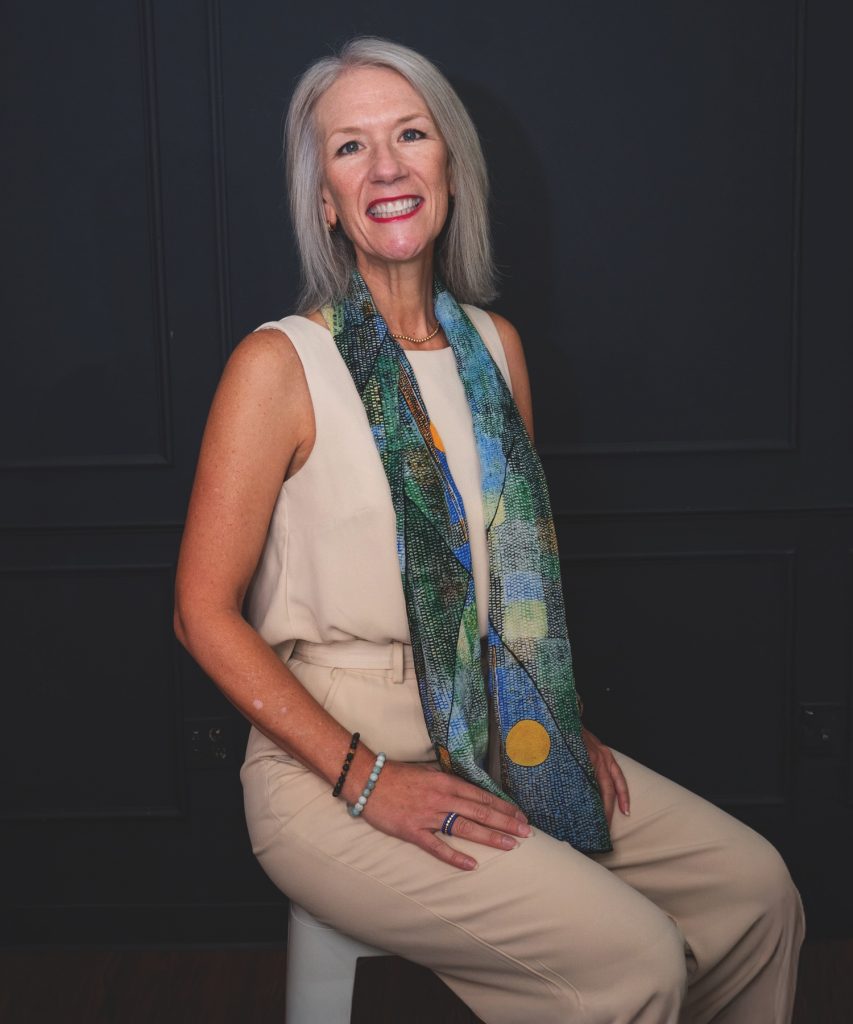
“The focus of the O.H.I.O. Fund is, at its core, filling a missing piece of the of the investing landscape, which is growth capital,” says fund cofounder Jill Meyer. She is a Cincinnatian, an attorney who for 20 years worked for one of the largest law firms in the state and then served for nearly eight years as CEO of the Cincinnati Regional Chamber. She joined three other cofounders, all Ohioans, as the fund began courting investors, raising money, and scouting for investments.
[Photograph by Shon Curtis]
Despite a diverse, growing $900 billion economy, the state of Ohio—and the middle of the country in general—continue to lag the coasts in capital investment in businesses. California and Massachusetts rank first and second in the rate of private capital investment, far exceeding the rest of the states, according to an analysis published in 2023 by S&P Global. Ohio ranked 30th, below states such as North Carolina, Tennessee, and Georgia.
Nearly 15 years ago, the state created JobsOhio, endowing it with a stream of money from the state-controlled liquor sales and appointing it as the lead government agency for attracting and keeping jobs and businesses. JobsOhio is a nonprofit, public-private organization offering grants, loans, and tax incentives to help fund business expansions and relocations.
In contrast, the O.H.I.O. Fund, despite its name, is not a state entity but a private firm that’s built a pool of capital from some of the state’s biggest banks and corporations and wealthiest individuals. Its mission is to both invest in young growth-potential Ohio businesses and deliver strong returns for its investors. “Our portfolio is geographically focused only in Ohio but across asset classes, as long as it’s about potential returns for our investors,” says Meyer.
The fund’s cofounders were inspired by a sovereign wealth fund in Singapore called Temasek. In the 1970s, Singapore was adjusting to unexpected independence from Great Britain and the withdrawal of the British armed forces, groundbreaking events that threatened to diminish the city-state’s economy. Its government created Temasek to own and manage dozens of industrial and commercial businesses that had previously been government-owned, with a mandate to grow them.
Temasek’s initial portfolio of 35 companies acquired from the government’s finance ministry was valued at $354 million. As its pool of capital grew, it was invested in transportation and industrials, financial services, telecommunications, real estate, life sciences, and more, as well as in businesses outside of Singapore in Asia and the Americas. Temasek’s portfolio today is valued at $434 billion, while Singapore’s economy is one of the fastest growing in the world. “Clearly, that fund was a key component of what transformed Singapore into the economy that it is today,” says O.H.I.O. Fund cofounder Mike Venerable.
Venerable is also a Cincinnatian who for more than 17 years was a director and ultimately CEO of CincyTech USA, an early stage, not-forprofit investor that’s funded dozens of high-tech, regional startups. The O.H.I.O. Fund deploys his and his cofounders’ experience and its investor network to source, analyze, and select companies for investment who are, in Venerable’s term, “growthy.”
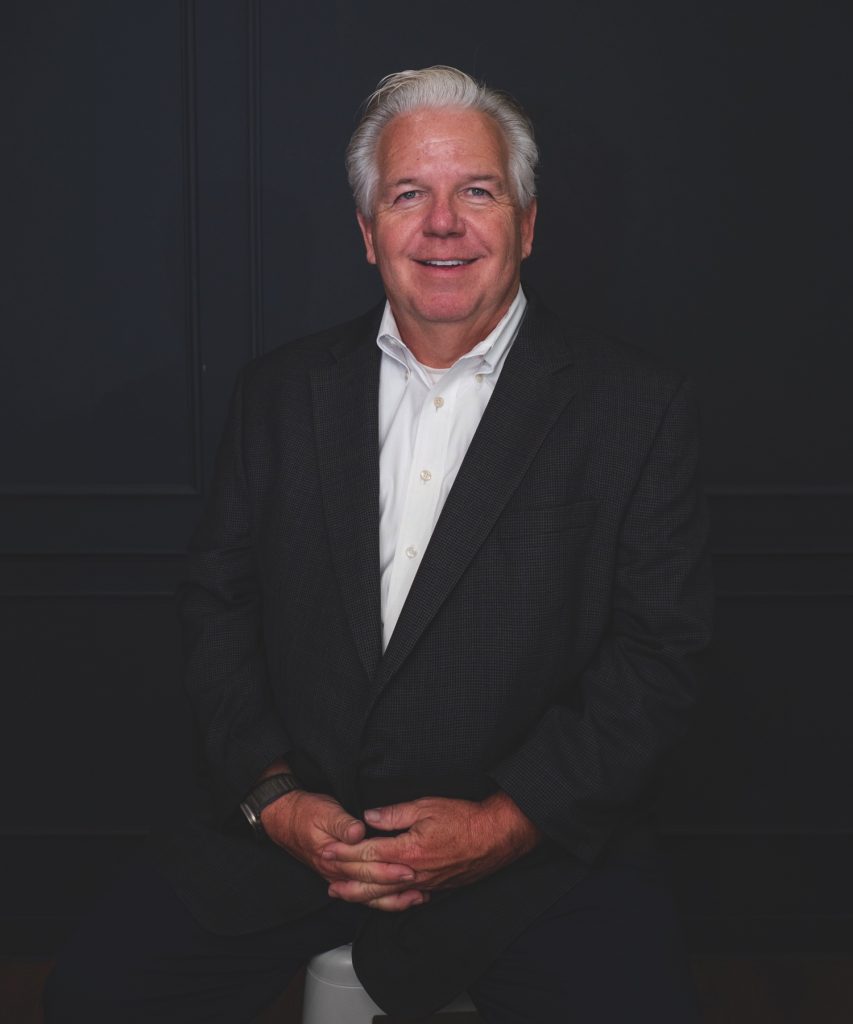
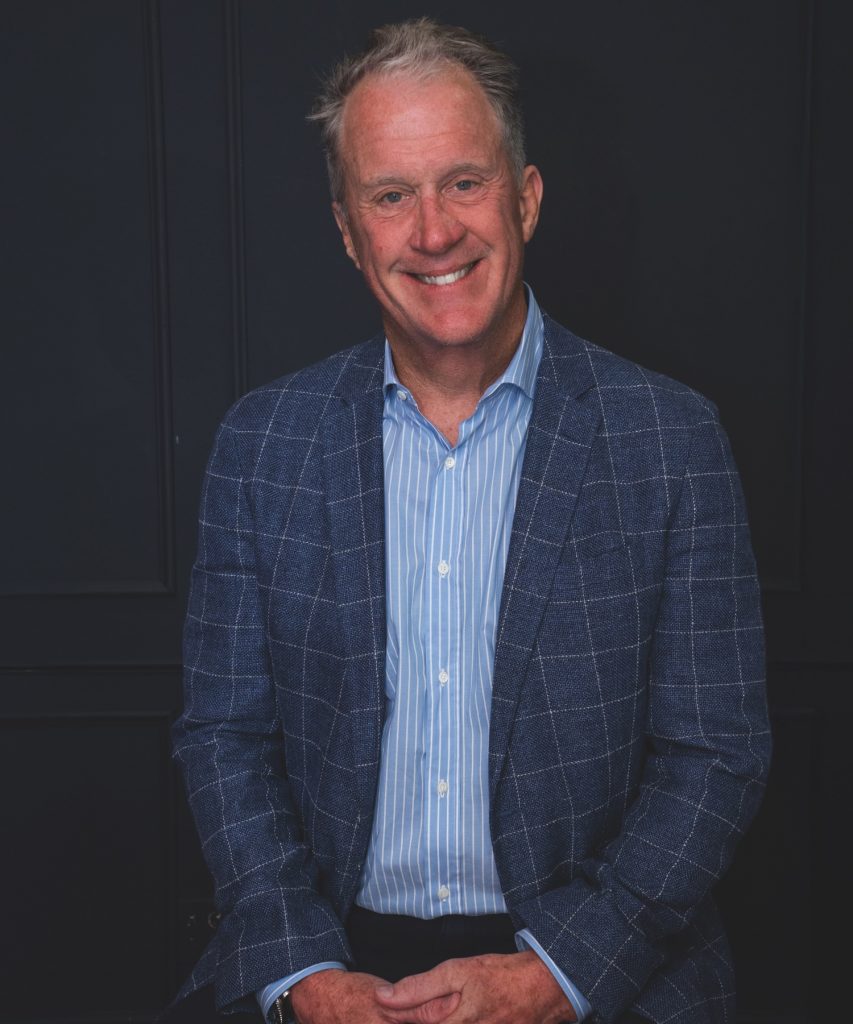
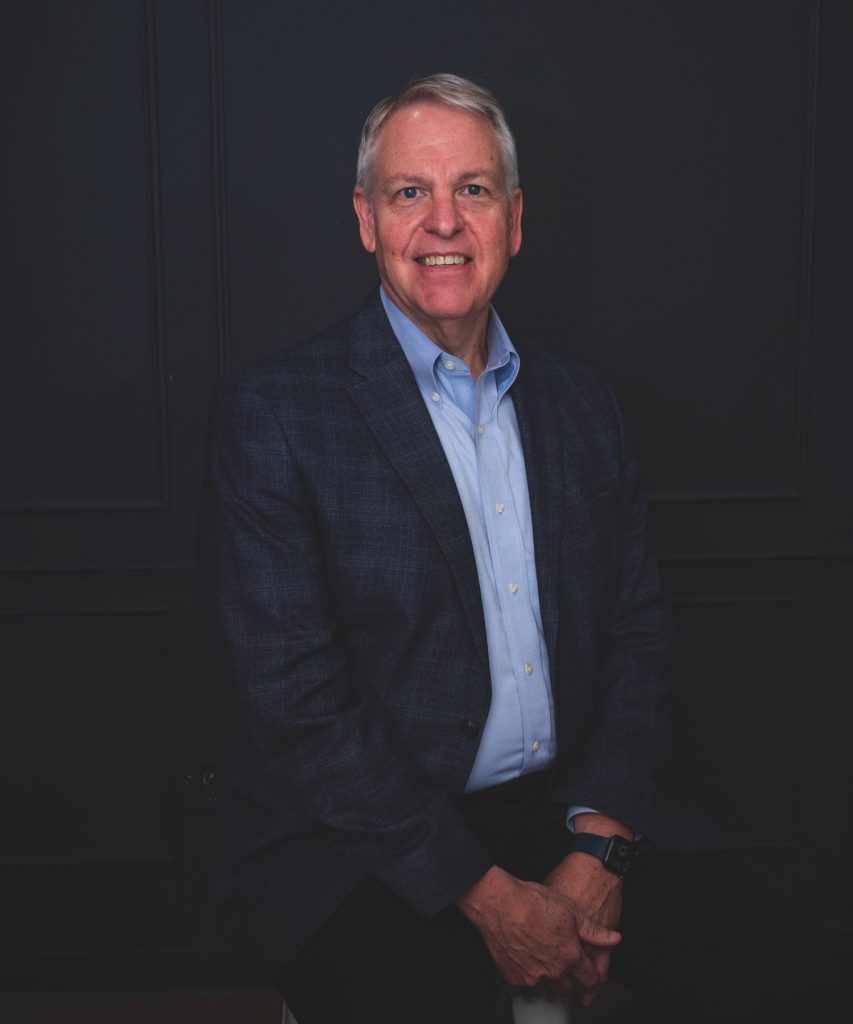
They’re typically established companies that are generating considerable revenue and are prepared to scale up to accelerate growth. Revenue at Remote Vans, for example, grew 900 percent from 2023 to 2024 and experienced significant growth again this year, says Alexander. The company employs more than 50 people and recently named Hillhouse CEO. Venerable knew Alexander from the CincyTech days and brought the company to the attention of the fund’s other managers.
The fund is the brainchild of Mark Kvamme, its CEO and chief investment officer, whose street cred runs deep in Ohio’s venture capital world. He was chosen in 2011 by then-Governor John Kasich to be the state’s director of development and then was installed by Kasich as the first leader of JobsOhio. The governor had imported Kvamme from Silicon Valley, where he was a venture capitalist, most notably with Sequoia Capital, known for its early investments in tech pioneers like Apple and Google. Kvamme didn’t stay long at JobsOhio, but he got it off the ground.
Today it’s the center of gravity for attracting and retaining jobs across the state, and in 2024 it reported securing new, planned capital investment of $19.3 billion in 377 projects. Kvamme remained interested in Ohio’s potential and started a Columbus-based venture firm, Drive Capital, to invest in startups situated in the Midwest. He stepped back from Drive in 2022, and his attention turned to creating the O.H.I.O. Fund concept and raising money.
“We’ve proven there’s untapped talent here waiting to be nurtured,” Kvamme says in his O.H.I.O. Fund bio. The fund is designed to keep capital within Ohio, enabling local companies to grow without the need to sell big stakes to out-of-state private equity firms or to other investors outside the state who may demand control or significant stake in ownership, which could lead to relocation or to technology, innovations, and other intellectual property leaving the state.
The fourth cofounder is Ray Leach, who serves as president and chief financial officer. He was the founding CEO of JumpStart, a Cleveland-based early-stage venture fund and accelerator focused on tech startups.
The O.H.I.O. Fund has identified six industry sectors its leaders say are “future proof,” meaning they’re already well-established in the state and have good growth prospects. The six are aerospace, with a large workforce and supply chain led by Evendale-based GE Aerospace; advanced manufacturing, with companies like Intel investing in central Ohio and legacy industries in glass and rubber adapting new technologies; biotech and health care, with major research and development spending led by institutions such as Cincinnati Children’s Hospital; digital infrastructure, with giants such as Meta, Microsoft, and Google having already established significant operations here; automotive, with Honda, Ford, and Stellantis operating major manufacturing facilities; and consumer goods and logistics, with giants such as Procter & Gamble, Kroger, and Total Quality Logistics employing tens of thousands in the state.
These megacompanies spend billions of dollars with their supplier networks, creating deep supply chains that can create attractive sources of investment to the state. As the trend to reshore suppliers to the U.S. grows, driven by supply chain disruptions from the global pandemic and more recent tariff complexities, domestic suppliers become a growth investment.
“We’re looking to invest across the continuum of the value chain,” says Venerable. “There are layers and layers of expertise in the state that are embedded in these value chains and these core industries. That’s really starting to take off with reindustrialization and the desire to move supply chains back here.”
While much of the venture world on the coasts is focused on hightech and artificial intelligence, the O.H.I.O. Fund emphasizes its broad approach to investment decisions that embrace Ohio’s strengths, including manufacturing. “There aren’t a lot of funds today that are really leaning in on some of the bright stars in the manufacturing space,” says Meyer. “That’s always been a core strength of the state and especially of southwest Ohio.”
The investment in Remote Vans, which is repurposing an old steel processing plant into a new age vehicle assembly space, is an example. “I’m a little biased,” Alexander says, “but to have a very healthy economy in a region or a state you need to have a mix of light industrial, heavy industrial, high tech, and biomedical. You need the whole mix.”
The fund’s first investment was in a company cofounded by Kvamme to license the technology and equipment of a manufacturer in China that makes modules housing semiconductor chips used in vehicles, health care equipment, manufacturing operations, and other arenas. Eagle Electronics, based in northeast Ohio, makes the components in partnership with another technology company. Domestic production of the modules could help allay security concerns about buying internet-connected products from an overseas manufacturer, the company says.
Eagle CEO and cofounder T.J. Dembinski recently announced the O.H.I.O. Fund-backed acquisition of Wireless Mobilty and creation of a new combined company, Eagle Wireless.
The O.H.I.O. Fund has invested in a company founded in California in 2019 that moved to Ohio to manufacture electric-engine and internal-combustion-engine shuttle buses and small school buses. Endera now operates out of a former Philips electronics plant in Ottawa in western Ohio.
It’s also invested in a Columbus-based company called Connect Housing Blocks that employs more than 100 people manufacturing modular housing units that can be combined to form apartments.
Health care and biomedical firms are in the mix as well. Another Cincinnati-based investment was in JucaBio, which is creating a portfolio of pharmaceutical drugs. Its model is to identify, acquire, and advance early-stage therapeutics from academic research, large pharmaceutical companies, and other biotech companies. Its leading acquisition is a drug to treat lung disease acquired from Sanofi, one of the world’s largest pharma companies.
The O.H.I.O. Fund also invests in real estate, including Rickenbacker South Industrial Rail Park, a 671-acre site in Pickaway County next to a major rail line and has major electric infrastructure available for industrial users.

Raising $350 million in little more than a year, as the O.H.I.O. Fund did, is an impressive feat. It was accomplished through the contributions of about 120 investors, nearly all of them from Ohio. As of November, the lion’s share of the investment dollars, 58 percent, had come from the state’s northeast region, with about 14 percent raised from southwest Ohio investors. The local investors include a who’s who of Greater Cincinnati funders: Western & Southern, Fifth Third Bancorp, American Financial Group, First Financial Bank, Cincinnati Children’s, Greater Cincinnati Foundation, and several high-net-worth individuals.
They provide not only a financial foundation but connections and insight into promising companies to invest in around the state. “To date, our deal flow has almost all come through our investor network,” says Meyer. “The men, women, and companies investing in the O.H.I.O. Fund are also bringing us a very rich pipeline of deal flow from all parts of the state, and that’s critically important.”
In September, the fund announced it contributed to a $70-million round of funding for Splash Financial, a 12-year-old Cleveland-based fintech that connects borrowers with a network of lenders through its automated loan processing technology. The company said it plans to use the funding to expand into offering access to home equity lines of credit through credit unions and community banks.
In October, the fund announced an investment in Ease Logistics, a Dublin-based firm that for eight consecutive years has made the annual Inc. 5000 ranking of the fastest-growing private U.S. companies. The company is working with a software developer to expand its AI technology platform.
“We’re trying to change that mindset of so many investors, including Cincinnati investors, that to get the best returns they have to go outside of Ohio,” Meyer says. “They don’t.”
A number of the fund’s key early investments were in companies located in central and northeast Ohio, but more activity is happening in the Cincinnati region as business leaders become familiar with the opportunities. “We’re talking about building economies, raising money, and investing money in every corner of the state, from southeast to northwest,” says Meyer.
The fund’s latest investment is a new company setting up shop in the traditionally industrial neighborhood of Camp Washington. Although the company is new, it’s not really a startup.
The business is based on the technology of a Columbus company that provides autonomous robotic welding systems to a variety of manufacturers, a potential solution for a nationwide shortage of welders. That company recognized an opportunity to build a robotic welding company from the ground up, a change from its model of installing its robotic machines in traditional welding shops. “We’ve worked with them to essentially form a new company that will be located in Cincinnati to do robotic welding,” says Venerable.
Engineering talent from global aerospace companies has been recruited here to run the new company, which is expected to be announced some time in the first quarter of 2026. The O.H.I.O. Fund’s connections and financial support sealed the deal to locate the company in Cincinnati’s urban industrial corridor, says Meyer.
“That doesn’t happen without the O.H.I.O. Fund, without private investors pooling their money, and having a group of people with a growth mindset looking around the state to say, What do we need to build, and where do we need to put it?”